Houston Howard: How do we create big concepts from the from the beginning? Jeffrey Reddick: I try to think at
least some concept that's kind of high concept that you can kind of if you tell
somebody in a minute and they're like all that sounds coo! Gary Goldstein:l I think it's a good
idea and then some of those as well I like the idea it's a little
complicated though because because of a B and C. Richard Walter: Most overrated part of the
screenplay equation is the idea ideas are really pretty useless and worthless
I have a string of scripts with like they're they're got great scenes great
characters but the idea is way too small most of the movies that when the Oscars
are not high concept
I sit down to write something usually I start with a concept
I'm very concept driven just because I think that's working at a studio for so
long I know that the concept is what's going to get people's attention or not
get it so I start with using a concept and then I think of some scares as well
and then start you know with building a story around the concept is how I
approach but I know a lot of people start from like characters and some
people start from a story so it's everybody's got their own personal kind
of creative style and how they on how they work but for me I always I always
start with the concept of the story and I try to think at least some concept
that's kind of high concept that you can kind of if you tell somebody in a minute
and they're like oh that sounds cool you know so that's that's kind of where
I start off when I'm writing if you are able to sell your idea your concept to
the other guy and pass his mustard I'd say and and he sort of approval it's
like one way to know that there's at least a kernel of idea that somebody
else would like that the world out there may be interested in if I'm able to
convince David for the first time maybe I will be able to commit more other
people to to be interested in that's great what I'm trying to come up with an
idea or write a script it's would this be a movie that I would be in the
audience for and it's it's interesting that some I know people that write
scripts that they would not go see that movie it was made and I'm like why would
you write that then if you're not even the audience for the movie so I try to
write a movie that's not the movie that I not what I would want to see because
really what I want to see is the producer of my last meal spanked in
public I read a movie that is the kind of movie that I would want to see that I
would stand in line to see that is you know that an existing kind of movie that
I'm sitting in the audience for I do think it takes some experience and again
I think it takes some missteps sometimes as a writer that you think oh this is a
great idea and you write it and realize yeah this is there's not enough to this
idea yet or I haven't developed this idea enough to get a full series out of
this idea I mean I definitely gone in to pitch ideas you know there's for a
film or TV pilot or something and you know I I think I get it and I think it's
a good idea and then some of us and well I like the idea it's a little
complicated though because because of a B and C and and not to me it's like oh
well I get it you know I know I know what the idea I can totally see how this
idea can work but if I were to write that idea myself and sometimes I'll go
back and try to outline it a little bit just to see if to test it and I'll
realize yeah I just cut it is a little complicated it sounds high-concept it
sounds simple and fun and you can see what the movie is you know you can see
the whole movies like a carpet that rolls out in front of you you can just
see the whole thing what it is but sometimes it's not you know sometimes it
is more complicated than you think so there has to be kind of a a you know
sometimes people say god I wish I thought of that idea you know sometimes
just this simple beautiful in the simplicity how do you to know when you
have a good film idea I mean I'm sure the two of you come up with ideas all
the time you're always thinking about it but how do you know that this is
something that's actually workable I think that you know when you start like
throwing stones at it and seeing if it holds up or if it breaks down you know I
think that's when you know you know and see if after there's a lot of
problem-solving that goes into actually time as well just a passage of time if
after a year you're still in love with the story it's always a good time you
know you you you come up with ideas that feel great for a week or two and then
week three week four you start like writing your faith you didn't really
like that man then you drop them but if you've been working on it for a year and
you still feel strongly about it but in science fiction I wouldn't wait for a
year because then somebody are just gonna just come up with something
similar at some point you know when you're working in science fiction is
very dangerous to wait because you know that there's some guy out there
somewhere who has some sort of a similar idea
nothing happens with all genres I mean yeah
the writer of our Nightcrawler director what's-his-name thank you thank you bro
I was saying in an interview how he was freaked to death while while writing the
script hoping that there was nobody out there that would beat him to it you have
to write a movie about la local news and all that stuff so it happens to every
thing do you think ideas are in the ether yeah I mean I think that they're
everywhere and sometimes you write a movie and then you make the mistake of
going online and reading the message boards and that's where everybody's like
reaping your new one and they're all like saying yeah this was stolen from
these Japanese manga from the 80s or this was stolen from this episode of
Tales from the Crypt and you're like I've never read or seen any of these
things you know and it's just that a lot of people gravitate towards similar
concepts because there are universal concepts that are appealing to writers
and I think are appealing to the audience sister
generally it's it's considered an idea that you can that that's is very easily
understandable in a sentence a couple of sentences you know if you pitching
something pitch a high pitch a high concept three secretaries conspired to
murder their boss nine to five you know an actor dresses as a woman to get to
get a job on a soap opera because he can't get any other work and learns to
be learns to appreciate women more as a result of it Tutsi I mean that kind of
thing you know something that has a high now again those movies are quite a
little less a little less popular now those high concept comedies or those
high concept ideas but you still need a concept that is strong and simple to to
understand and for people to get you know what
how will they market it you know what will be on the poster what will be in
the trailer first people to get it you know and it doesn't have to be anything
that that while did that imaginative but it says that these relatively simple to
state although sometimes ideas get so complicated that they get very
convoluted and that shows up in the in the writing and sometimes the film
itself so it's about keeping it simple but interesting and and and I don't know
if like a better word clever and and unique concept and budget are two
different things a high concept movie usually means a higher concept budget in
general and that would be like your action pictures your hero superhero
pictures things like Star Wars things that have what they call the tentpole
you've probably heard that that term before a tentpole effect it's just it's
a lot different I don't think it's you and most of them you'll notice are based
on something that's been adapted from another piece of material like comics a
book novels that kind of thing high concept is the hangover a bunch of
guys you know from the movie poster I mean a lot of people I know a lot of
your audience knows what high concept is but there are those who don't and it's
terminology we use of lawrence basically where the concept is very big and
immediately recognizable like from a movie poster
so the hangover and it's the guys are you know we all know it's the hangover
in its vegas you can tell from the movie poster and they all look like they're
iraq and it's the 48 hours before bachelor is to walk down the aisle at
his bachelor party they go to vegas and i his friends lose him and they have now
fought and don't have any recollection what happened the night before and have
48 hours to find him before the wedding that's one example of big big concept
speed is a big concept anything that's based on a brand like transformers it
has a immediately recognizable built-in audience brand value so the opposite of
that would be a movie like Slumdog Millionaire
in fact most of the movies that when the Oscars are not high concept
Slumdog Millionaire Million Dollar Baby okay if you were to pitch this I'm gonna
do a you know not justice to the movie but if you think about it like trying to
get a studio to this is a story about a girl who comes from a trailer park and
she wants to be a boxer and she's mentored by this older dude and she
winds up getting entering herself to the point where she
becomes paralyzed on the way down and she paralyzed from the waist down and
basically asked him as an act of kindness to do euthanasia so she does
okay who would buy that not you know Slumdog Millionaire this is was a great
story creep movie no known act American actor but you did have a an a-list
director Danny Boyle so that is what definitely helped get it made and it was
also based on a book swing blade another one magnificently written script and
some of these movies definitely be harder to get done today but the you
take Juno you you know family drama teenage girl gets pregnant and
really that used to be like an after-school special or and no
disrespect you know more of a TV movie than a feature that would build such a
big following this year Lady Bird you know that's not a high concept rite of
passage with the young girl and but it was so well written and it resonated so
much with people the mother-daughter relationship the notion of growing up in
a small town and so the what makes a script marketable the script like Juno
and with Lady Bird the the quality of the writing the freshness of the
characters the truthfulness of the characters that then becomes marketable
high-concept usually means something that is you can you can do a lot more
with it in terms of well that can always be sequels or prequels those tend to be
more high budget and more high concept in terms of it's a larger world more
characters and they can do like I said more with it they can continue on an
adventure with all of those characters so that's why I think a lot of them
you'll see are adapted from other pieces of material now what's a good test if
somebody thinks their script is high concept how can they kind of run it
through some tests because maybe they find out it's actually low concept and
they're just not aware I think genre is one way if you look at the ones that
usually make the most money or that are based on other pieces of material a lot
of times they fall into science fiction horror fantasy or siphon tecee those are
the most popular genres for that certainly if you look at things that are
action-adventure like The Bourne Identity that's another one that you can
do a lot with because it's there's always going to be a new adventure as
this guy is trying to find out his real identity
four new people coming in new writers coming in writing a nice refreshing
project that's in another arena that's not doesn't require a huge budget and a
lot of special effects that's the way to really get a sense of can they develop
characters can they carry a story all the way through front for ninety minutes
to a hundred minutes and can they can they give us good roles that actors want
so that I think is as better as if you try and do a lower budget lower concept
in terms of genre or you know that's the way to do it in the very beginning
seriously coming up with a good idea is the most important thing and I was
coming up with a sort of basic genre ideas so I would run like a basic cop
story and that's fine for television not fine for cinema where it's all about the
event it's all about something being big and larger than life
so my ideas work like too small to begin with and that I have a string of scripts
with like they're they're got great scenes great characters but the idea is
way too small it's not it's not involving and interesting enough for
people to spend 12 bucks to see the movie on top of that whatever it costs
for the king-sized popcorn and the king-sized drink you know it's it's it's
a life's fortune to go to the cinema these days Blade Runner it's one of my
top favorites although that didn't do as well when it when it opened and about it
was actually considered a flop and only became a classic through through
word-of-mouth and just the sheer visual of the story it's an interesting concept
when when something doesn't show the numbers but then there's this cult oh
yeah yeah this is quite a few movies like that a Shawshank Redemption is
another one that that kind of flopped open you know a box office but then
created you know life of its own just from the sheer you know audience you
know it's like wow but they responded to it just most I would think it's probably
about concept I mean you know when you look at the concept for shank redemption
there's nothing appealing about it right I mean okay this is a movie about you
know people in prison you know okay but when
you experience it and this is something to a lesson for writers is that just
because you don't have a high concept now if you're a beginning writer high
concept is paramount it helps you because it helps you break in because
you will get your script will be requested and then once they get the
script in from them and if it's well executed then your ear on your way in
but so I don't recommend having low concepts when you're a beginner but in
this case I mean it was Frank Darabont it was Stephen Stephen King's novella
so but it was a it was a low concept there was nothing about the concept that
made it appealing so I didn't really drive audiences to the theaters at the
time but the execution is masterful and so that's what once you're in there once
you're in the door and you experience it then you go my god and then you tell
others and word-of-mouth that's how it happens you know so that's the case with
with that anytime I would I'm going to pitch something you know I'm trying to
go and you try to go in and pick something that's that's relatively clear
and simple to understand in terms of what the world is going to be what where
the entertainment value is going to come from where the conflict can be and a lot
of it is just inherent in those couple of sentences and and sometimes it makes
a good film or TV series sometimes it doesn't you know it's not everything but
if you've got a good character attached to it you know chances are you have a
good shot of at least having a good piece of material from it so if it's too
wordy but it needs to be reduced yeah and you know like anything when you
start explaining anything to somebody you know and we and people who are not
sort of natural pictures of stories or don't do it for a living or whatever you
know somebody's like somebody will come to me and say I just had the most
amazing experience you've got to write a movie about this and what is it and
they'll say well okay I was standing on a street corner and before you know it
they're talking for 20 minutes about this story you're lost you got lost that
minute for and there's there's no story to it or you think there's something
funny but it's just too complicated what's the movie what's the story you
know what why am I gonna laugh what I do with that you know there's a lot of that
so yeah you have to keep it you have to keep it simple you know and unique
I think part of the trick is knowing when the idea has entered your brain and
rather than just thinking oh well that's a funny situation that that happened or
that's an interesting situation and not connecting it to hey wait a minute I can
write about that I I wrote a play about my parents and my parents toxic marriage
and divorce and a fairly dark time in my life and the play was gonna have to
stage readings at the Pasadena Playhouse with a well-known actress playing my
mother if the reading and I was very excited about this and I hadn't talked
to my mother in many years at that point in time I was walking around really in a
sunny mood about wow this great actress is gonna be reading my words in my play
in front of an audience and I was so excited and then I had this waking
nightmare that my mother was going to show up at the reading and jump up
onstage and say that's not true that's a lie you have to hear my side of the
story and I just sort of laughed at myself for being paranoid but then it
occurred to me and went hey wait a minute that's a good idea for a play
someone who's been writing about their family and their family descends upon
them and it's not a fully formed idea you have to then do your work as a
writer and say okay so who are these people why haven't they talked to each
other or what happens when the person comes up on stage how does the situation
get more complex that more complicated or funny or any of those things who are
the other people involved on all of that work that's the the job of being a
writer of taking a germ of an idea and trying to grow it into a full-blown
piece whatever that piece is if it's a webseries or a play but I think you have
to develop the skill of being tuned in to your thoughts and feelings the world
around you when you're watching other people in order to know what an idea
presents itself the idea doesn't always say hello I'm giving you an idea for a
story now that's part of being a writer recognizing when the idea has presented
itself they have brilliant ideas but as I've
discussed in other places in another room other videos the
most overrated part of the screenplay equation is the idea ideas are really
pretty useless and worthless again forgive me if repeating myself but I am
a one of those people who believes that Breaking Bad is one of the greatest
achievements in the history of civilization I think it's really great
great drama so what's the idea that drives it a high school chemistry
teacher gets a cancer diagnosis and so he decides to go into the
methamphetamine trade with an incorrigible former student of his a
criminal you know to sell drugs to support his family there's a stupidest
idea I've ever heard many many companies shot that down and yet it is this
triumphant achievement 62 hours of a TV series every frame of which is engaging
and captivating and involving and the so how did that happen the answer is they
told a good story it's where the story it's really all about story that's what
we believe at UCLA that's that's what I believe a few years I mean imagine if
somebody came up to you and and said I have an idea for a movie
this guy's stutters but he has to give a speech so he hires a speech therapist
they work on the speech he gives a speech at the end of the movie if
somebody told you that that's gonna win the Oscar for Best Picture and Best
Screenplay you figure they're crazy and yet that is of course the King's Speech
and again I think it just demonstrates the the value of story and the value
lessness of ideas and I think that very young people are more into ideas they
have great ideas I like to say when you have a great idea if you have a really
really great idea for a screenplay that's all you've got I think what
remains after that everything the characters have to be invented
they speak has to be created it has to be punchy and peppy and provocative and
pungent I'm just getting into peas now and poetic and it has to be worth
listening to all for itself just because there's something kind of charming about
it but beyond that it can't be just for itself it also has to advance the story
in a palpable measurable identifiable way likewise expand the audience's
appreciation of the characters it takes time for me to give you an idea about a
movie I can you know takes a handful of seconds to walk you through the story of
the movie who takes to the length of the movie a couple of hours so that's where
the value is look there's two sides to every idea and and and one is knowing
the time in the place so for example a lot of filmmakers hold their cards so
close to their vast or their shares that it's self-defeating classic example most
studio executives in the marketing department will tell you that they are
considered Satan by filmmakers filmmakers will not share one iota about
their film one frame of their film until it's absolutely locked and loaded which
means that the marketing department has precious little time to really think
about and be creative and come up with great concepts and execute on those it's
a last minute 11th hour deal and it almost always is right is that in the
filmmakers best interest I suspect not I know that when many many years ago I did
a picture at Universal young writer-director his first directing gig
and together we went in and with storyboards and we and I and I insisted
that we have someone from every department president or two people from
every department whatever can show up we had like 16 or 18 people in the room
representing every conceivable area of marketing and we presented to them and
said look we just came to say hi we want to know what you do and we want you
to be aware of our little project because it's not the biggest on your lot
and so if you quit we just want to share with you a little bit about the Genesis
the history of the project we want to share some storyboards by the way the
storyboard suck and you guys are so much smarter but it was just something away
we could communicate to you but most importantly before we leave after we've
shut up and we've had some Q&A what we really want from you is we want your
guidance telling us while we're out on location shooting what do we need to
bring back what do you need to do your job better
what kind of still images what kind of b-roll you what do we need to bring to
you so that you can be the best they literally said to us we're veterans
we've been here 15 years 20 years 25 years 30 years whatever we've never ever
had filmmakers conduct this kind of a meeting that was at Universal Pictures
Wow okay so there there's there is there is clearly this sort of tradition in in
in the human race to hold very very dear to keep very private art what we
consider our IP our baby and I think sometimes it's service and sometimes
it's self-defeating you know it's you know but I think you
just have to sort of be sober about it and
and you know look at what other successful people do and how they do it
and the flip side of that is I never worry that much about people stealing
what I have I have this crazy idea that each of us is so gifted and special in
the way that we would do something that no one can steal any of my ideas and and
do it the way I would do it let them let them do their version of it know so I
can write a book or I can produce a movie or I can I can nurture a recording
artist or whatever those things are an idea is worth very very little in
Hollywood it's the people and and and and and their ability to deliver on an
idea and birth out of nothing that's what we do we birth out of thin air
something very concrete very compelling hopefully that moves people happily or
sadly I think it's the doer not the idea so I think theft is actually an
interesting concept in a world of IP and I don't really take out an insurance
policy I don't worry about it I don't think about it
I always like to approach a logline of one be able to explain the the story
that you're talking about you know you're the the plot of your story needs
to be teased in the logline but at the same time if you can also take if you
could also set up the larger play and the logline which primarily is creating
a world and be able to communicate the story world in that log line then not
only do you tease the plot but you also teach the world which is the bigger play
and so so the log line is just the starting point that your project has to
exist beyond the log line so in the your log lines just one story that's going to
take place hopefully in this in this larger world for multiple stories take
place and cross over and connect in all these interesting ways and so if but if
you can even approach your log line with a with an interesting world attached and
embedded in the log line then that's going to give you that's going to
intrigue people maybe even more than the plot itself so if you remember the
trailer guy got him Don LaFontaine he was in a world you know he would just
start his like he's the movie trailer guy yeah that like would always do those
voiceovers right he would he saw has coined that in a world thing sure and
what what he's doing is in a world he sets up the context of a story world and
then he's going to tell you in the midst of a trailer what the story is inside
that world so you know in a world where all where one day a year all crime is
legal we have a family who is being terrorized by somebody right so that's
like you know that's how to set up the purge so the story world of the purge is
a country where one night a year all crime is legal
interesting story world interesting concept that's that that is far bigger
than one individual story but if you can say in a world where all crime is legal
for one night a year then move into your individual plot now you've intrigued me
based on the plot but you've also intrigued me because there's a cool word
so me so so it's it's it's a it's like an establishing shot in the movie so you
know established shot in the movie is if instead of cutting directly into here
where we're doing this interview we're going to first show the outside of the
entire building and then move in here so the reason an establishing shot is as a
normal thing and filmmaking is because the audience is more comfortable knowing
where we are then moving into something very specific and this is just the way
we like the humans and audience with this way we think and that's what we're
comfortable with because if you just jump directly into a scene it can be
disorienting this is why you need an establishing shot so I look at at
seating a story world inside of a logline like having an establishing shot
for your logline so in a world where all crime is legal for one day out of a year
that's the establishing shot then we're jumping into the scene which is your
individual plot which you know you have a husband and wife who who you know seek
to survive the night from a guy who breaks in their house right so so that
so it's it's an interesting thing of it like how do we create big concepts from
the from the beginning how do we create the big-ip but then ultimately we get
down to a point where we need to be able to execute and communicate it on a very
small level so how do we create Star Wars how do we create something massive
how do we create something that can sustain for 20 30 40 years but then when
I'm talking to you as a producer or after I'm at a pitch fest or I'm talking
to how do I boil it down to a line what because again we need a good story world
and we need a good story how do I do both in a log line typically a log line
focuses on the story but at the same time I need the cool story world but I
don't want to just pitch the story world without the story because then then then
my products not going to work so I need both and so I think you craft a log line
in a really interesting way to do both and it's just a different type of a
process but to approach it but I think it's always very helpful


 For more infomation >> Trump touts strong economy amid volatile stock market - Duration: 4:34.
 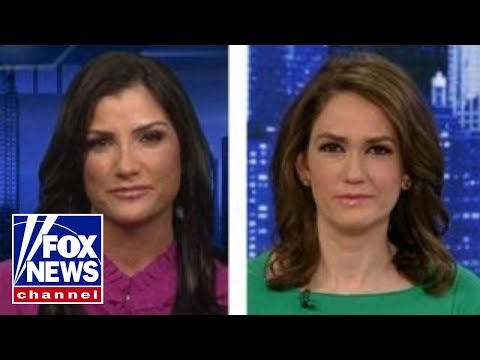 For more infomation >> Dana Loesch, Jessica Tarlov on potential military parade - Duration: 5:30.
 For more infomation >> Sales Motivation | "Released Limiting Beliefs And Increased Results" | HTC Testimonial - Duration: 4:14.
  For more infomation >> Turning Candy and Fruit into Jewelry at Glitterlimes | Food Network - Duration: 1:15.
 For more infomation >> Obama entre los pocos seguidores de Melania Trump en Twitter | Noticiero | Telemundo - Duration: 0:39.
 For more infomation >> Brutal ola de frío paraliza a centro y noreste del país | Noticiero | Telemundo - Duration: 2:17.
  For more infomation >> Why Church Hopping Doesn't Work - Duration: 2:04.


 For more infomation >> Tomó la justicia por sus manos y atrapó a su agresor | Al Rojo Vivo | Telemundo - Duration: 2:17.
  For more infomation >> La decisión de trasladar a José José fue sorpresiva | Al Rojo Vivo | Telemundo - Duration: 4:42.
  For more infomation >> ASH WEDNESDAY (B) 14th February 2018 - Duration: 4:35.
  For more infomation >> Mercedes-Benz B-Klasse 180 Automaat - Duration: 0:52.
  For more infomation >> Mercedes-Benz B-Klasse B 180 WhiteArt Edition - Duration: 0:41.
  For more infomation >> Mercedes-Benz B-Klasse B 180 Family Edition - Duration: 0:42.
  For more infomation >> Mercedes-Benz B-Klasse B 180 Family Edition - Duration: 0:45.
  For more infomation >> Mercedes-Benz B-Klasse B 180 Family Edition - Duration: 0:45.
  For more infomation >> Mercedes-Benz B-Klasse 180 AMBITION *Zeer luxe* Open dak*Dealer onderhouden* - Duration: 0:56.
  For more infomation >> Mercedes-Benz B-Klasse 180 CDI / AUTOMAAT / LMV 18'' / EXPORT / GEARBOX/GETRIEBE SOUND - Duration: 1:01.
  For more infomation >> 5ª semana del Tiempo Ordinario – Miércoles 7 de febrero de 2018 – Ciclo B - Duration: 1:56:03.
  For more infomation >> Volvo V40 1.8 EUROPA AUTOMAAT AIRCO/TREKHAAK/CC/CDV - Duration: 0:56.
  For more infomation >> Kia cee'd 1.6 GDI Eco Dynamics 135PK DynamicLine - Duration: 1:01.
  For more infomation >> Luis Fonsi - Échame La Culpa
 For more infomation >> OASIS - Live Forever (Subtitulada en Español) - Duration: 4:37.
  For more infomation >> BMW 4 Serie Gran Coupé 420dA High Executive M Sport l M Sportpakket I Innovation Pack | Schuif-/ ka - Duration: 1:01.
  For more infomation >> Fiat Grande Punto 1.3 M-JET ACTUAL - Duration: 1:07.
  For more infomation >> Mazda CX-5 2.2D SKYACTIV-D 175 GT-M 4WD | Automaat | 4WD | Leer | Clima | Cruise | Trekhaak | Full o - Duration: 0:59.
  For more infomation >> Mazda CX-3 2.0 SkyActiv-G 120 GT-M Line 2WD - Duration: 0:54.
  For more infomation >> BMW 5 Serie Touring 535xi High Executive M-sport, full option, 47.000km! - Duration: 0:59.
  For more infomation >> BMW 3 Serie 320i Executive M-sport Shadow | Audio Media Pack | Parking Pack | Comfort Acces | Achter - Duration: 0:50.
  For more infomation >> BMW 3 Serie 320d High Executive M-sport Shadow | El. schuif-/kanteldak | PDC V&A | HiFi Systeem | El - Duration: 0:49.
  For more infomation >> Fiat Punto Evo 1.3 M-Jet Dynamic ( airco - cruise control - electr.ramen voor - airbags ) - Duration: 1:01.
  For more infomation >> Mazda CX-5 2.0 GT-M 4WD Automaat - Duration: 1:01.
  For more infomation >> Mercedes-Benz M-Klasse ML 250 BlueTec 4-Matic Automaat - Duration: 1:00.

 For more infomation >> Volvo S40 2.4i Edition II 170 pk+ 1e Eigenaar+Leer - Duration: 0:59.


 For more infomation >> Audi A4 Avant Sport Pro Line S 1.4TFSI/150pk Pan. Dak, Navigatie, LED, Cruise Control - Duration: 0:59.

Không có nhận xét nào:
Đăng nhận xét